Aeroponics vs Traditional Farming: Which Is Better?
Agriculture has been the foundation of human civilisation for thousands of years. Traditional farming continues to feed billions of people worldwide, producing staple crops that sustain communities and economies. However, growing challenges such as water scarcity, climate change, urbanisation, and shrinking arable land have encouraged the development of innovative farming methods, including aeroponics.
Rather than asking which method is superior, a better question is: Which farming method is best suited for a particular purpose? Both traditional farming and aeroponics have unique strengths, and understanding these differences can help farmers, businesses, and policymakers make informed decisions.
What Is Traditional Farming?
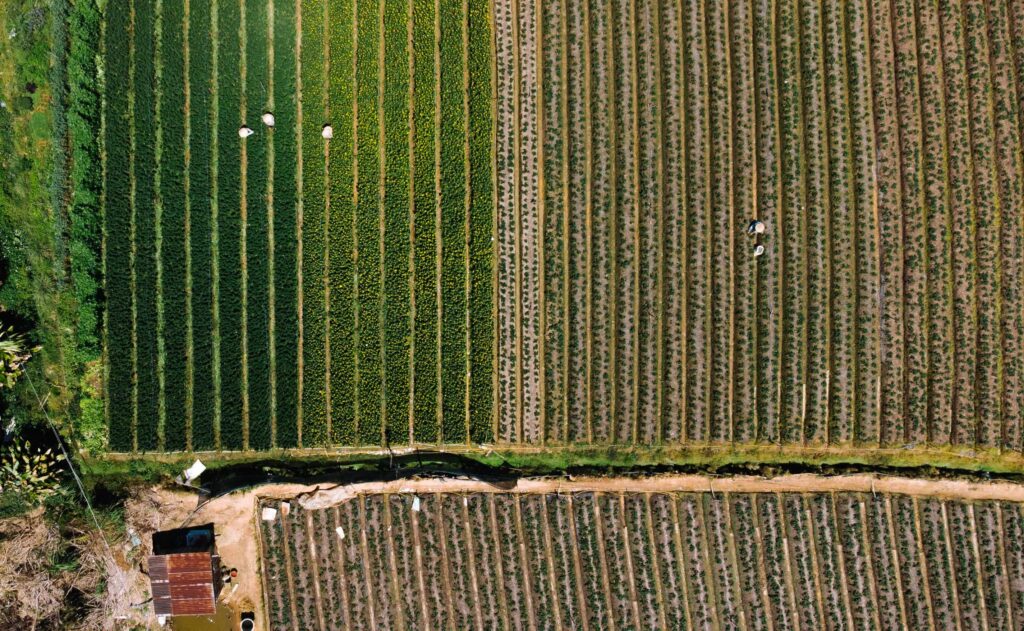
Traditional farming is the conventional method of growing crops in soil, where plants obtain nutrients naturally from the earth. Combined with sunlight, rainfall or irrigation, and good agricultural practices, this approach has supported food production for generations.
It remains the most practical solution for cultivating staple crops such as wheat, rice, maize, cotton, and sugarcane on a large scale. Beyond food production, healthy soil also supports biodiversity and plays an important role in maintaining ecosystems.
What Is Aeroponics Farming?
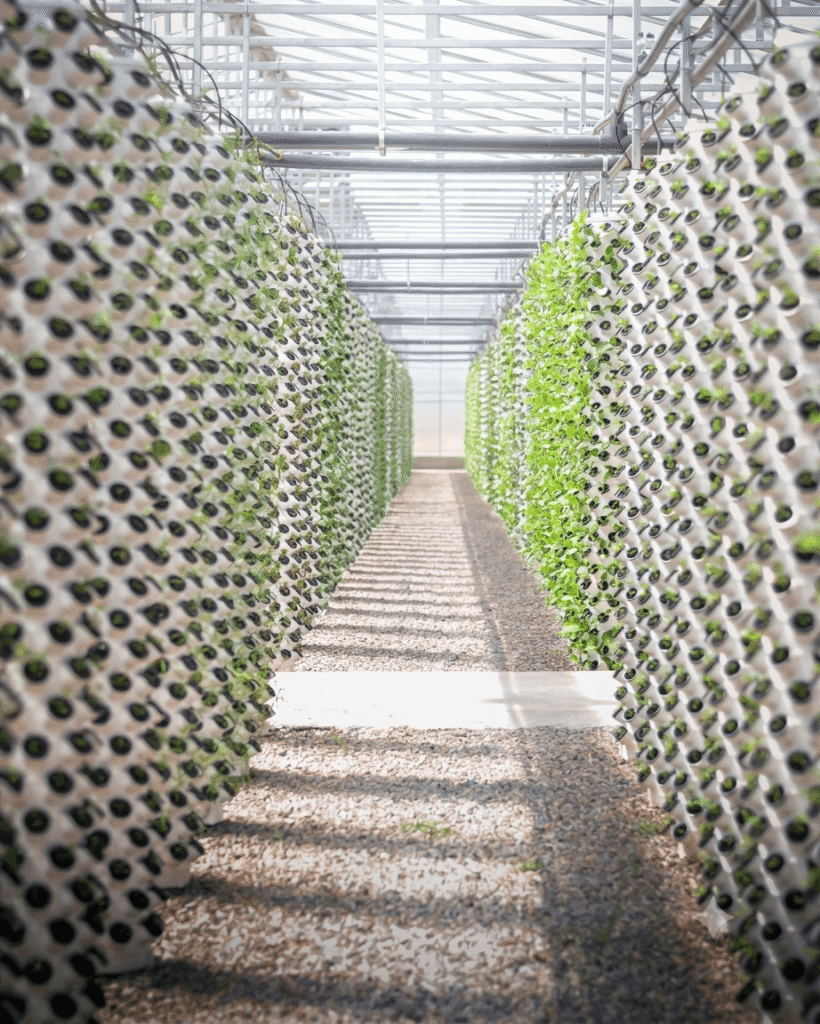
Aeroponics is a soil-free cultivation method in which plant roots are suspended in the air and regularly sprayed with a nutrient-rich mist. Since the roots receive direct access to oxygen, water, and nutrients, plants can grow in a highly controlled environment.
According to Lakhiar et al. (2018) in their review on controlled-environment agriculture, aeroponic systems provide favourable conditions for root development while using significantly less water than conventional farming methods. (Interlink the anchor text “Lakhiar et al. (2018) review on controlled-environment agriculture” to the research paper.)
Today, aeroponics is commonly used for leafy greens, herbs, strawberries, seed potatoes, and other high-value crops where precision farming offers clear benefits.
Water Usage: One of the Biggest Differences
Water availability is becoming one of agriculture’s greatest challenges, especially in countries like Pakistan, India, and GCC countries.
Traditional farming often loses water through evaporation, runoff, and deep infiltration into the soil. While modern irrigation techniques have improved efficiency, water losses remain a challenge in many regions.
Aeroponic systems, by comparison, continuously recirculate water inside a closed-loop system. A 2026 review published in the journal Agriculture (MDPI) reported that well-designed aeroponic systems can reduce water consumption by more than 90% compared with conventional soil farming while improving nutrient efficiency. (Interlink the anchor text “2026 review published in the journal Agriculture (MDPI)” to the research paper.)
At Spurt Nova, this is one of the first things visitors notice when they explore our aeroponic farms. Instead of relying on continuous irrigation, our systems carefully recycle nutrient-rich water throughout the growing cycle. Watching healthy crops thrive while using considerably less water reinforces what scientific research has already demonstrated: efficient water management is one of aeroponics’ greatest strengths.
Crop Growth and Yield
Both farming methods are capable of producing high-quality crops when managed correctly.
Traditional farming has consistently delivered reliable harvests for centuries and remains unmatched for producing staple crops on a commercial scale.
Aeroponics, meanwhile, gives growers precise control over nutrients, moisture, oxygen, and environmental conditions. Research published in Agriculture (MDPI) indicates that, depending on the crop and growing conditions, aeroponic systems can improve yields by approximately 45% to 75% under controlled environments. (Interlink the reference to the same MDPI research paper.)
From our experience at Spurt Nova, we have learned that successful aeroponic farming is not simply about installing modern equipment. Healthy crop growth depends on continuously monitoring nutrient balance, misting cycles, and environmental conditions. Technology provides the tools, but consistent management delivers the results.
Land Requirements
Traditional farming depends on fertile agricultural land, which is becoming increasingly limited due to population growth and urban expansion.
Aeroponics offers a different approach. Since crops can be grown vertically, more plants can be produced within a relatively small area. This makes aeroponics particularly suitable for urban agriculture, greenhouses, and regions where farmland is scarce.
The MDPI review on sustainable aeroponic agriculture highlights vertical farming as one of the key advantages of aeroponic production systems, allowing efficient use of available space. (Interlink “MDPI review on sustainable aeroponic agriculture” to the research paper.)
Cost and Investment
When comparing the two methods, cost is an important consideration.
Traditional farming generally requires lower upfront investment because farmers already have access to land, machinery, and generations of farming knowledge.
Aeroponic farming involves higher initial costs due to specialised equipment such as pumps, misting systems, nutrient delivery units, sensors, and environmental controls. It also requires regular maintenance and a dependable electricity supply.
For this reason, aeroponics should not be viewed as a replacement for traditional farming. Instead, it offers an additional solution for specific crops and production goals.
Environmental Impact
Sustainability depends on how any farming system is managed.
Responsible traditional farming practices, including crop rotation, soil conservation, and efficient irrigation, help preserve ecosystems and improve soil health.
Aeroponics offers environmental advantages by reducing water use, recycling nutrients, and often lowering pesticide requirements because crops grow in controlled environments. However, indoor systems may require additional electricity for lighting and climate control.
A study published in the Journal of Cleaner Production concludes that while aeroponic systems significantly improve resource efficiency, their overall environmental impact also depends on energy sources and operational practices. (Interlink the anchor text “study published in the Journal of Cleaner Production” to the research paper.)
Which Crops Are Best Suited?
Every farming method has crops that suit it best.
Traditional farming is ideal for:
- Wheat
- Rice
- Maize
- Cotton
- Sugarcane
- Other broad-acre field crops
Aeroponics is well suited for:
- Lettuce
- Spinach
- Herbs
- Strawberries
- Seed potatoes
- High-value leafy vegetables
Selecting the right farming method should always begin with understanding the crop’s requirements and the available resources.
Aeroponics vs Traditional Farming at a Glance
| Factor | Traditional Farming | Aeroponics |
|---|---|---|
| Growing Medium | Soil | Nutrient mist |
| Water Usage | Higher | More than 90% lower in many systems |
| Initial Investment | Lower | Higher |
| Land Requirement | Larger | Smaller, can be vertical |
| Technology | Low to Moderate | Advanced |
| Best Suited For | Staple crops | High-value crops and leafy greens |
| Energy Requirement | Lower | Higher |
Which Farming Method Is Better?
There is no single answer because both methods solve different challenges.
Traditional farming remains essential for feeding the world’s population and will continue to be the backbone of global agriculture. At the same time, aeroponics offers practical solutions where water is limited, land is scarce, or year-round production is required.
Rather than competing with each other, these farming methods can complement one another to create a more resilient agricultural future.
Also Read: Hydroponics vs Aeroponics
What We’ve Learned at Spurt Nova
As pioneers in aeroponic farming in Pakistan, we’ve had the opportunity to see this technology move beyond theory and into everyday agricultural practice. We’ve also had the privilege of meeting traditional farmers whose experience spans generations. Those conversations have reinforced an important lesson: innovation works best when it builds upon existing knowledge, not when it tries to replace it.
Our aeroponic farms demonstrate how technology can help grow fresh produce while conserving valuable resources. At the same time, we recognise that traditional farming will continue to play a critical role in producing staple crops and supporting rural livelihoods across Pakistan.
Conclusion
The future of agriculture is unlikely to rely on a single farming method. Instead, it will combine proven agricultural practices with modern innovations to meet the challenges of a changing world.
At Spurt Nova, we believe aeroponics is an exciting step towards more efficient and sustainable food production. Through our aeroponic farms across Pakistan, we continue to explore how innovation can work alongside traditional farming, helping growers produce more with fewer resources while respecting the invaluable role conventional agriculture has always played in feeding our communities.