What Is Vertical Farming? A Complete Beginner’s Guide
As the demand for fresh, high-quality food continues to rise, traditional farming methods are facing increasing pressure. Limited land, water shortages, and changing climate conditions are pushing the agricultural industry to explore smarter solutions. One of the most innovative approaches is vertical farming.
If you are new to the concept, this beginner’s guide will help you understand what vertical farming is, how it works, and why it is becoming so important, especially in countries like Pakistan.
What Is Vertical Farming?
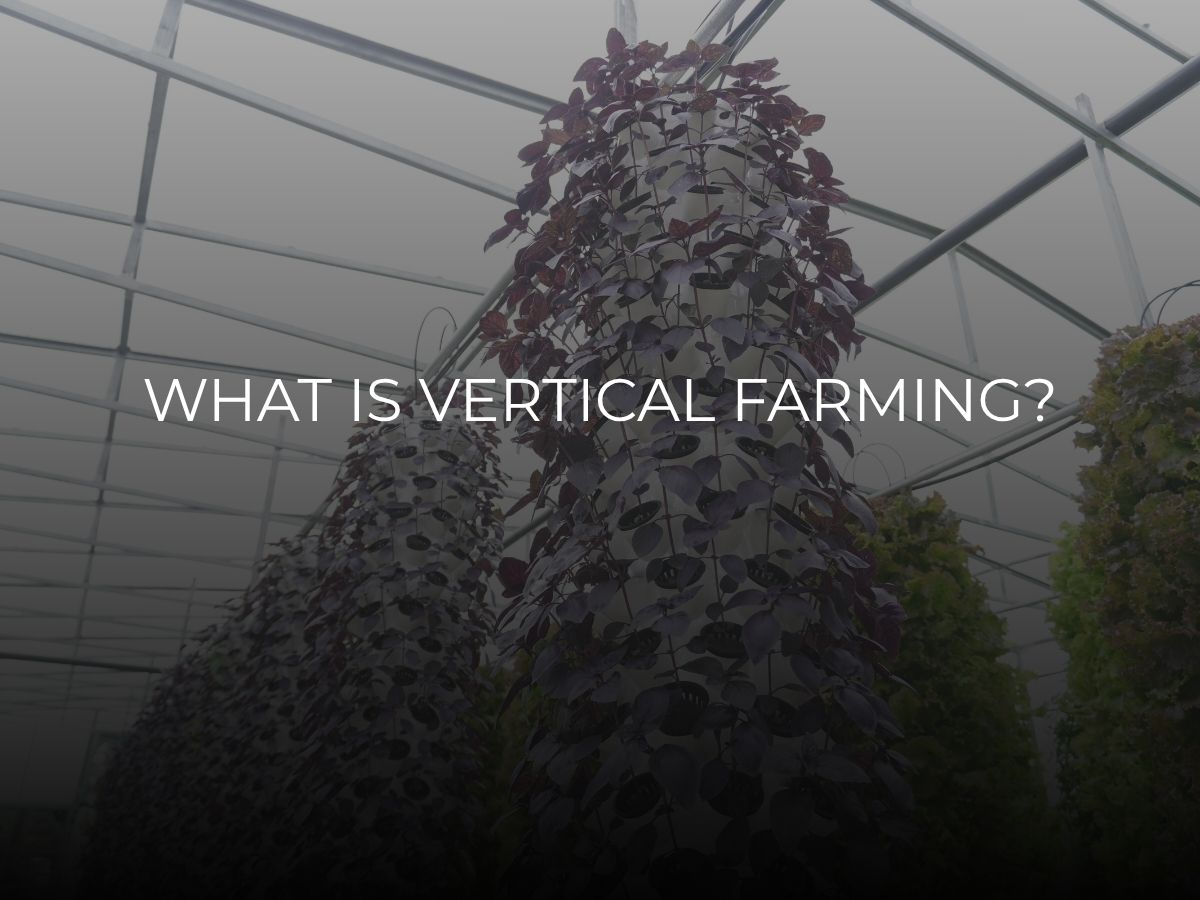
Vertical farming is a modern vertical farming method of growing crops in stacked layers, usually indoors or in controlled environments. Instead of spreading crops across large horizontal fields, plants are grown vertically using shelves, towers, or racks.
This vertical farming system allows farmers to produce more food in less space while maintaining better control over growing conditions such as light, temperature, and nutrients.
How Does Vertical Farming Work?
Vertical farming relies on advanced systems that replace soil and natural weather conditions. The key components include:
1. Controlled Environment
Plants are grown indoors where temperature, humidity, and light are carefully managed. This ensures consistent growth throughout the year, making indoor vertical farming highly efficient.
2. Artificial Lighting
LED grow lights are used to provide the exact type of light plants need for photosynthesis, even without natural sunlight. This is especially useful in urban areas or regions with limited sunlight exposure.
3. Soilless Growing Systems
Instead of soil, vertical farms use water-based or mist-based systems to deliver nutrients directly to plant roots. This approach improves efficiency and reduces resource wastage.
Benefits of Vertical Farming
Vertical farming offers several advantages, especially for regions with limited agricultural resources:
Space Efficiency
It allows farming in cities and small areas by growing crops vertically instead of horizontally, making it ideal for agricultural vertical farming in urban environments.
Water Conservation
Vertical farming systems use significantly less water compared to traditional farming methods, which is crucial for countries like Pakistan facing water shortages.
Year-Round Production
Crops can be grown throughout the year without depending on seasons or weather conditions.
Reduced Pesticide Use
Controlled environments reduce the need for harmful chemicals, resulting in cleaner and safer produce.
Higher Yield
More crops can be produced in a smaller space with better quality control.
Challenges of Vertical Farming
While vertical farming has many benefits, it also comes with some challenges:
- High initial setup cost
- Dependence on electricity for lighting and systems
- Technical knowledge required to manage systems
However, with advancements in technology, these challenges are gradually becoming easier to manage.
Why Vertical Farming Matters in Pakistan
Pakistan faces issues such as water scarcity, rapid urbanisation, and limited agricultural land in cities. Vertical farming provides a practical solution by enabling fresh food production closer to consumers.
By adopting modern vertical farming methods, the country can improve food security, reduce dependency on traditional farming, and promote sustainable agriculture.
What Can Be Grown in Vertical Farms?
Vertical farming is ideal for growing:
- Leafy greens (lettuce, spinach)
- Herbs (basil, mint, coriander)
- Strawberries
- Microgreens
These crops grow quickly and adapt well to controlled environments, making them perfect for indoor vertical setups.
The Future of Vertical Farming
Vertical farming is not just a trend, it is shaping the future of agriculture. As technology continues to evolve, vertical farming systems are expected to become more affordable and accessible.
With increasing awareness and demand for sustainable food production, indoor vertical farming will play a major role both globally and in Pakistan.
Conclusion
Vertical farming is a smart and sustainable way to grow food using modern techniques and controlled environments. It allows farmers to produce more with fewer resources while maintaining high quality and consistency.
For a country like Pakistan, adopting vertical farming methods presents a strong opportunity to overcome agricultural challenges and build a more secure food future.
At Spurt Nova, we are committed to bringing innovative vertical farming systems to Pakistan, helping individuals and businesses adopt efficient and sustainable farming solutions. If you are looking to explore indoor vertical farming or start your own setup, Spurt Nova offers the expertise and technology to get you started.