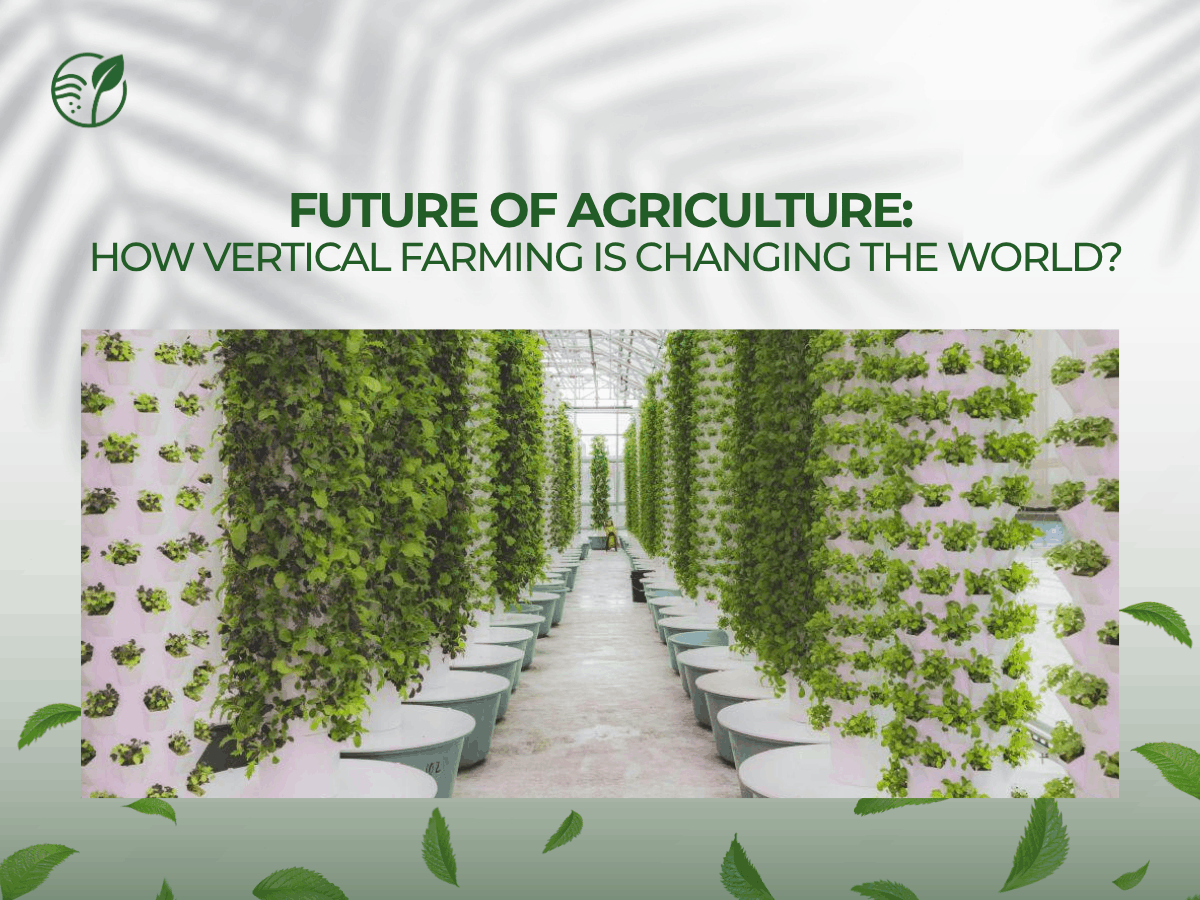
Future of Agriculture: How Vertical Farming Is Changing the World
Agriculture is undergoing a significant shift. With rising populations, climate change, and increased reliance on natural resources, traditional farming practices are no longer sufficient to supply global food demand. This is where vertical farming comes in as a game-changing solution.
From urban cities to emerging markets like Pakistan, vertical farming is redefining how food is grown, distributed, and consumed.
What Is Driving the Shift in Agriculture?
Several worldwide concerns are driving the demand for better farming technologies.
- Water scarcity.
- Unpredictable weather patterns
- Limited agricultural land.
- Increasing demand for fresh, pesticide-free food.
Traditional farming is primarily reliant on climate and vast land areas, making it unreliable under today’s conditions. In comparison, vertical farming provides a more controlled and efficient alternative.
What Makes Vertical Farming the Future?
Vertical farming is more than simply a trend; it signifies a fundamental shift in agricultural philosophy. Growing crops in stacked layers inside controlled settings allows farmers to produce more with limited resources.
Key Advantages:
- Uses up to 90% less water than traditional farming
- Requires significantly less land
- Enables year-round crop production
- Reduces dependency on pesticides
- Brings farming closer to urban populations
This makes vertical farming an ideal solution for both developed and developing countries.
The Role of Aeroponics in Modern Vertical Farming
One of the key technologies driving this transformation is aeroponics. In this system, plants are grown without soil, with their roots suspended in air and nourished through a nutrient-rich mist.
This method increases oxygen exposure to roots, resulting in faster growth and higher yields. It also uses minimal water, making it highly efficient.
With the rise of aeroponics farming in Pakistan, this advanced technique is becoming a core part of modern agricultural systems.
Technology Behind the Vertical Farming
Vertical farming’s success depends heavily on technology. Climate control systems, LED lighting, and automatic nutrient delivery are all well-maintained.
Working with vertical farming professionals ensures that systems are well-designed and maintained for maximum effectiveness. This level of control enables farmers to provide consistent and predictable results.
The Future Outlook for Vertical Farming
Agriculture’s future is becoming more efficient, sustainable, and innovative. Vertical farming is predicted to play a significant part in sustaining the world’s expanding populations.
In water-scarce countries like Pakistan, the expansion of aeroponics farming and modern vertical systems is set to transform how food is produced. With the right investment and expertise, this approach can redefine the agricultural landscape while addressing critical water shortage challenges.
Conclusion
Vertical farming has shifted the face of agriculture by providing a smarter, more sustainable method of growing food. It solves significant global concerns while increasing efficiency and production.
As vertical farming in Pakistan continues to grow, innovative technologies such as aeroponics will play an essential role. Businesses and individuals can successfully use this modern farming strategy with the help of an experienced aeroponics specialist.
At Spurt Nova, we are committed to shaping the future of agriculture by providing advanced vertical farming solutions. Whether you are starting small or planning to scale, the future of farming begins with the right technology and expertise.
Also Read: Hydroponics vs Aeroponics